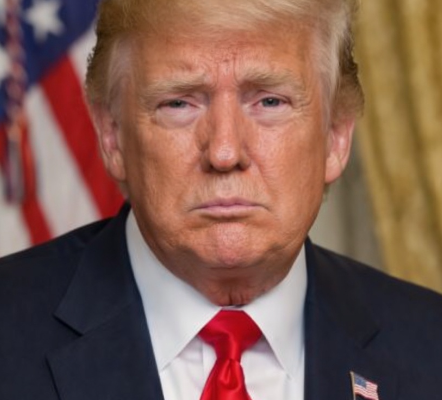
In a watershed moment for the United States justice system, former President Donald Trump has been formally charged with a complex conspiracy aimed at the heart of the government he once led. The federal indictment centers on serious allegations that Trump worked to defraud the United States and actively sought to obstruct the peaceful transfer of power in the wake of the 2020 election.
This legal action asserts that the maneuvers to overturn election results were far more than political theater; they are characterized as a deliberate and coordinated attempt to sabotage the Constitution and the lawful democratic processes that ensure the nation’s stability.
As the case progresses through the federal courts, the prosecution’s narrative focuses on the fragility of democratic norms and the necessity of accountability.
Central to the case is the argument that no individual is above the rule of law, particularly when actions threaten the foundational principles of the Republic. This proceeding marks the first time a former president has faced charges related to interfering with the electoral process, making it a pivotal moment for American democracy.
The legal scrutiny will likely explore the tension between protected speech and criminal obstruction, providing a definitive test of the nation’s legal and institutional guardrails. National sentiment remains starkly divided, reflecting the polarized state of contemporary politics. For proponents of the indictment, the trial represents a necessary mechanism to restore faith in the system and uphold the concept of responsibility.
Conversely, skeptics and supporters of the former president view the charges as a partisan maneuver. Ultimately, this case is destined to leave a permanent mark on the history of the United States, fundamentally challenging the trust and the structures of power that underpin its governing institutions. The final verdict will serve as a landmark defining the modern era of governance and executive conduct.