A Teen’s Sentence Sparks Debate About Justice, Choices, and Consequences

The silence in the courtroom felt heavier than the sentence itself. One teenager, one decision, and a number so large it barely sounded real: 452 years. Families watched. The judge spoke. A life was effectively sealed away. But behind the headlines and outrage, behind the arguments over justice and mercy, something far more unsettling emerges—a question we rarely dare to fa…
A single impulsive decision can redraw an entire life, and this teenager’s story shows how brutally fast that transformation can happen. One moment, he was a student with a familiar routine; the next, he was a defendant whose fate would be calculated in centuries, not years. The courtroom became the place where every second of that night was dissected, weighed, and converted into numbers that felt inhuman in their scale. Yet behind those numbers stood a family silently breaking, and a young person trying to comprehend a future that no longer resembled anything he once imagined.
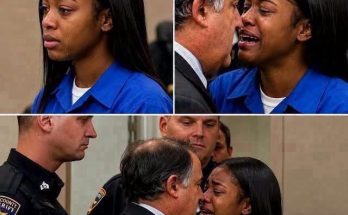
— A tense courtroom scene unfolded yesterday as twin brothers, convicted in a high-profile case, received their sentence. The moment was marked not only by the judge’s ruling but by the starkly different reactions of the siblings, whose emotional responses have since become the focal point of public discussion
The Verdict
The twins, whose identities have been withheld pending appeal, were sentenced after months of trial proceedings. The judge delivered identical terms, citing the gravity of the charges and the need for accountability. Yet, as the words echoed through the chamber, the brothers reacted in ways that underscored their contrasting personalities.
One twin broke down immediately, sobbing uncontrollably and clutching the defense table for support. The other remained rigid, his face set in defiance, eyes fixed on the judge with a glare that conveyed anger rather than remorse.
Eyewitness Accounts
Spectators described the scene as “heart-wrenching” and “unlike anything they had witnessed in court.” A family member whispered, “It was as if they were living two different realities in the same moment.”
Reporters noted that the emotional collapse of one brother drew sympathy from some in the gallery, while the stoic defiance of the other sparked murmurs of disapproval.
Legal Context
Legal experts explained that sentencing twins in the same case is rare but not unprecedented. The identical punishment reflected the court’s view that both bore equal responsibility. However, the divergent reactions may influence future appeals or parole hearings, as emotional demeanor often shapes perceptions of remorse and rehabilitation.
Broader Implications
The case has reignited debates about justice, family ties, and individuality. Civil rights advocates argue that the twins’ reactions highlight how punishment affects people differently, even when circumstances are shared. Others contend that emotional displays should not overshadow the seriousness of the crime.
The national debate that followed wasn’t just about him. It exposed a deep tension in how society treats young offenders: Are they defined forever by their worst moment, or is there room to believe in change? His story lingers as a stark reminder that pressure, emotion, and a single unchecked choice can collide in ways that echo for a lifetime—and far beyond it.