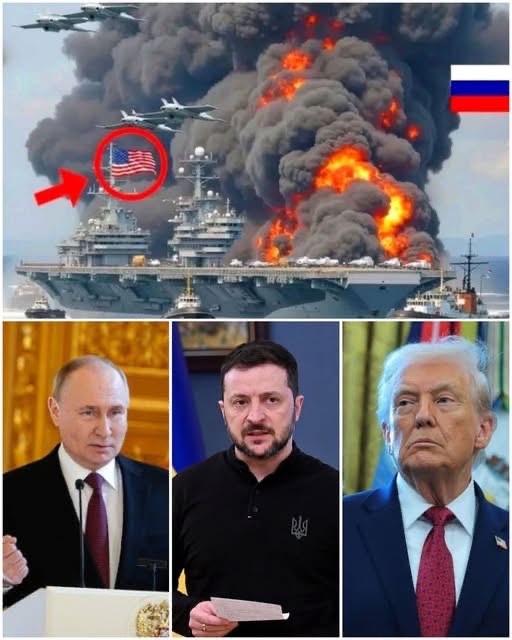
Reports alleging that Russian forces targeted and destroyed shipments of advanced Western fighter jets intended for Ukraine have intensified already fragile tensions between Moscow and Washington. While the claims remain unverified, the implications—if true—could signal a notable escalation in how the conflict is unfolding.


According to circulating reports, three Russian Sukhoi Su-57 aircraft allegedly struck shipments that included U.S.-made F-16 Fighting Falcon, F-22 Raptor, and F-35 Lightning II jets. These aircraft represent some of the most advanced capabilities in modern air combat, making any reported destruction a potentially significant development.
However, U.S. officials have not confirmed these reports and have described them as unverified. Independent verification from credible international sources has also not emerged, leaving the situation unclear and highly sensitive.
Escalation Concerns and Strategic Implications
Statements attributed to Vladimir Putin warning the United States about continued weapons deliveries have further fueled concern. The suggestion that such actions could provoke retaliation beyond Ukraine’s borders has raised alarms among policymakers and analysts alike.
Military experts note that, if such a strike did occur, it would represent a shift in strategy—from targeting forces on the battlefield to disrupting supply chains before equipment reaches Ukrainian hands. This would expand the operational scope of the conflict and potentially blur the lines between direct and indirect confrontation.
At the same time, analysts caution that misinformation and psychological operations are common in modern warfare. Claims about high-value targets—especially involving advanced Western systems—can sometimes serve strategic messaging purposes, aiming to influence public perception or political decision-making.

NATO Response and Global Monitoring
The NATO alliance is closely monitoring developments. Member states have reiterated their commitment to supporting Ukraine while also emphasizing the importance of avoiding steps that could trigger a direct military confrontation with Russia.
Behind the scenes, intelligence agencies are likely working to assess the credibility of these claims, examining satellite imagery, logistics data, and communications intercepts. Such verification processes can take time, particularly in active conflict zones where access is limited.
Broader Risks: Beyond the Battlefield
Even without confirmation of the reported strike, the situation underscores growing concerns about escalation pathways. These include not only conventional military actions but also cyberattacks, economic pressure, and proxy confrontations in other regions.
The possibility of supply routes becoming targets introduces additional risks for countries involved in providing aid. It raises questions about how far conflict boundaries might stretch and how nations will respond if support infrastructure is directly challenged.
Diplomacy Still in Motion
Despite rising tensions, diplomatic channels between major powers remain active. Communication—both public and behind closed doors—continues to play a crucial role in preventing misunderstandings from spiraling into wider conflict.
International leaders are walking a careful line: maintaining support for Ukraine while trying to avoid actions that could escalate into a broader confrontation between nuclear-armed states.
A Moment of Uncertainty
At this stage, much remains uncertain. The reported incident has not been independently confirmed, and official responses remain cautious. Still, the narrative itself reflects the heightened sensitivity of the current moment.
Whether the claims prove accurate or not, they highlight how quickly the situation can shift—and how narratives, verified or otherwise, can influence global perception and strategic calculations.
As the war continues, the world watches closely. The coming days may bring clarity, but for now, the focus remains on restraint, verification, and the delicate balance between support and escalation.