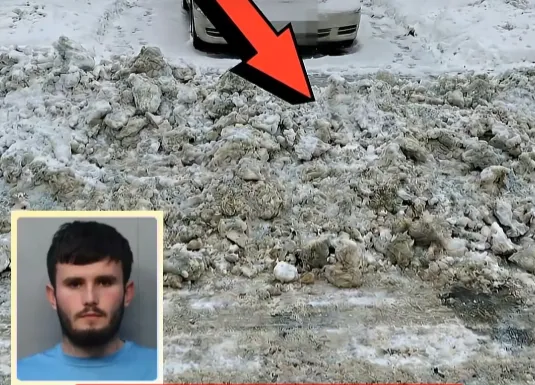
What began as a simple act of kindness on a snowy morning has turned into an unexpected legal dispute. A local man who helped his elderly neighbor clear snow from her driveway is now facing a lawsuit from the city for allegedly operating a business without a license.
The incident occurred after a heavy winter storm blanketed the neighborhood in several inches of snow. Sidewalks were slippery, driveways were buried, and residents struggled to dig themselves out before the morning commute. Among them was an elderly woman who lived alone and relied on a walker for mobility.
Seeing her difficulty, her neighbor crossed the street with a shovel and began clearing her driveway and front steps. Witnesses say he refused payment and told her he was simply trying to help. Within an hour, the walkway was safe and accessible.
However, the story took an unexpected turn days later. According to official documents, the city issued a notice claiming that the man had engaged in commercial snow removal services without a proper municipal license.
City officials argue that local ordinances require anyone performing snow removal on another person’s property to hold a business permit, even if the service is occasional. The regulation was originally designed to oversee professional contractors operating within city limits.
The man, however, insists he was not running a business. Through his attorney, he stated that he received no payment, made no advertisement, and did not solicit customers. He described the act as a spontaneous gesture to assist a neighbor in need.
News of the lawsuit spread quickly throughout the community. Many residents expressed disbelief that a free act of goodwill could trigger legal consequences. Some questioned whether the ordinance was being applied too broadly.
The elderly neighbor at the center of the case has publicly defended the man. She stated that she never requested a professional service and never offered compensation. She described him as a caring individual who often checks in on her during harsh weather.
Legal experts explain that municipal licensing laws vary widely. In some jurisdictions, the definition of “operating a business” can hinge on whether a service is provided repeatedly or for profit. The absence of payment does not always automatically exempt someone from regulatory requirements.
City representatives have clarified that the lawsuit is not intended to discourage neighborly assistance. They argue that enforcement ensures consistency and protects residents from unlicensed operators who might cause property damage or injury.
Critics counter that applying business regulations to isolated acts of kindness could create a chilling effect. They worry that residents may hesitate to help one another if they fear legal repercussions.
Community leaders have called for a review of the ordinance. Some council members have suggested amending the language to clearly exclude unpaid assistance between neighbors. Public hearings are expected to address the issue in the coming weeks.
The man’s attorney plans to challenge the lawsuit, arguing that the ordinance was never intended to cover informal, unpaid acts. They contend that enforcing it in this context stretches the regulation beyond its original purpose.
Insurance considerations have also been raised. Municipal officials note that licensing requirements often ensure that professional snow removal operators carry liability coverage. However, supporters of the defendant argue that casual neighborly help falls outside that framework.
As the case progresses, it has become a symbol of the tension between regulation and community spirit. Many residents say the situation highlights the need for common sense in the application of local laws.
The elderly woman has expressed concern that the controversy may discourage others from helping seniors during future storms. She said she would rather face icy steps than see her neighbor punished for assisting her.
City attorneys maintain that the legal process will clarify the interpretation of the ordinance. They emphasize that courts exist to resolve disputes when statutory language appears ambiguous.
Meanwhile, social media discussions have amplified the story beyond the neighborhood. Commentators from across the country are debating whether municipal rules sometimes conflict with basic acts of kindness.
The outcome of the lawsuit could influence how similar ordinances are enforced in other cities. If the court rules in favor of the man, it may prompt revisions to clarify exemptions for unpaid assistance.
For now, both sides are preparing for court. The man continues to shovel his own driveway when it snows, though he admits he now thinks twice before crossing the street with his shovel.
In the end, the case is about more than snow removal. It raises broader questions about how communities balance safety regulations with everyday generosity. What began as a simple effort to protect an elderly neighbor from slipping has evolved into a legal debate that may reshape local policy.
As winter storms continue to sweep through neighborhoods, residents are watching closely. They are waiting to see whether the court will draw a clear line between operating a business and simply being a good neighbor.