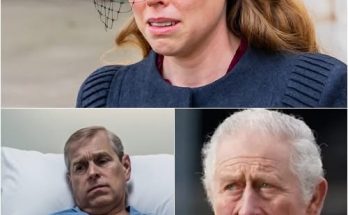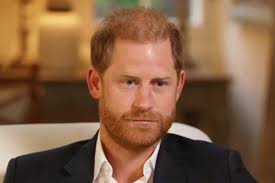
It happened far from London, far from Montecito, far from any palace wall. In Geneva, Prince Harry appeared suddenly, visibly shaken, and said a sentence that froze the room.
“I have nowhere left to go.”
It was not rehearsed. It was not polished. For the first time, the anger was gone. In its place was something far more unsettling. Desperation.
Moments earlier, Harry had attacked the royal family with familiar accusations. Coldness. Abandonment. Cruel tradition. But then, without warning, his tone collapsed.
He did not ask for money. He did not ask for titles. He did not ask for power. He asked for something smaller, and far more revealing. A place to stay.
For years, Harry had insisted he left by choice. That freedom was his victory. That exile was independence. In Geneva, that story finally cracked.
He admitted the marriage had collapsed. Not formally ended, but functionally broken. Separate lives. Separate plans. Separate futures already in motion.
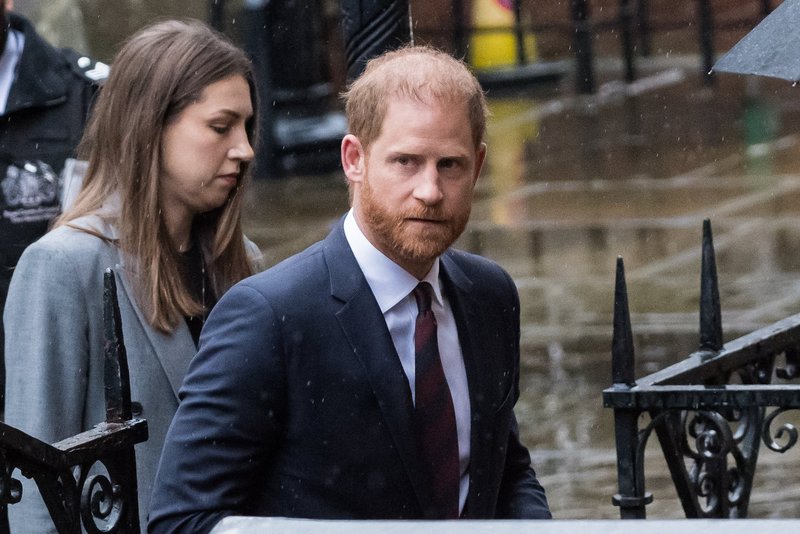
His finances, once buffered by inheritance and contracts, are now unstable. Legal battles. Security costs. Broken deals. Advisors quietly stepping away.
Most devastating of all was what he did not say directly, but allowed to hang in the air. His children are no longer within reach.
Not estranged by law. But by distance. By logistics. By a life structured without him at its center.
When the interview ended, palace aides were already reacting. Not with panic. With resignation. This moment, they believed, had been inevitable.
And then came Balmoral.
From the king’s Scottish estate, Princess Anne issued a statement so cold it felt surgical. No names. No emotion. No ambiguity.
“You may deceive the press. You may deceive the public. But you cannot deceive the Crown.”
The line was devastating because it was final. It reframed Harry not as a victim, but as someone who had crossed an irrevocable boundary.
Behind the scenes, Anne was clearer still. The royal family, she reminded aides, “is not a boarding house.”
That phrase mattered. Because Harry was not being rejected for leaving. He was being rejected for how he left, and what followed.
Private grievances monetized. Conversations recorded. Trust broken not once, but repeatedly, for profit and leverage.
At the same moment Harry was pleading for return, Meghan appeared in Abu Dhabi. Alone. Without her wedding ring.
She announced a new global platform. Vague mission. Strategic partners. Carefully chosen language about independence and reinvention.
To palace observers, the timing was not coincidence. It was confirmation.
Then a coded email surfaced.
Not public at first. Circulated quietly among legal teams and former staff. A draft contract outlining media rights, brand control, and narrative ownership.
It suggested something chilling. That personal access to Harry’s experiences had been contractually structured. That intimacy had been monetized in advance.
Soon after, private recordings began to leak. Short clips. Partial context. Enough to confirm fears long whispered inside royal circles.
This was not therapy. This was content.
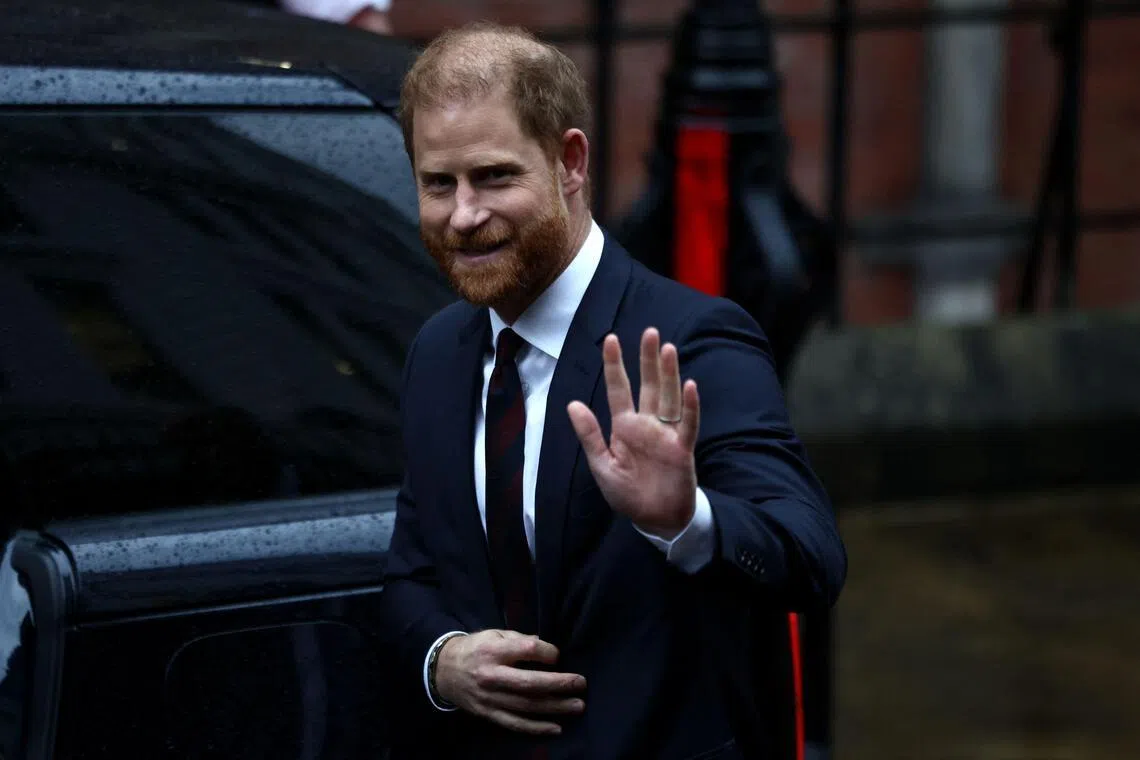
Harry, sources now say, did not fully understand how exposed he had become. Or how little control he retained once the machine was running.
When he finally realized, the exits were gone.
The monarchy did not cut him off because he criticized them. They cut him off because they could no longer trust him with proximity.
Access is everything in royalty. And Harry had turned access into currency.
As for Meghan, she is not standing alone. Investors are watching. Media backers are circling. Global branding interests see opportunity where the palace sees liability.
Harry’s tragedy is not exile. It is miscalculation.

He believed the crown would always be there, even if damaged. Even if betrayed. Geneva proved that belief was wrong.
The monarchy can absorb criticism. It can endure scandal. What it cannot survive is internal breach.
And so the doors did not slam. They simply did not open.
Not out of cruelty. But out of preservation.
Because once trust is gone, no title can restore it. And no apology can buy back the crown’s silence.