Prince Philip’s Final Promise: The Seven Words That Revealed a Lifetime of Love

On a quiet April morning in 2021, the world paused as news spread from Windsor Castle, carrying whispers of farewell, devotion, and a love forged across decades.
Prince Philip, Duke of Edinburgh, had lived nearly a century shaped by duty, discipline, humor, and resilience, standing beside a queen through storms of history.
After weeks in hospital and heart surgery, he returned home, choosing familiar walls, familiar light, and familiar silence over the sterile hum of medical machines.
At ninety-nine, he understood time differently, not as something to conquer, but as something to accept with dignity, courage, and an unspoken sense of completion.
Those closest to him sensed the shift, a gentle turning inward, as if he were carefully packing away memories, gratitude, and unfinished conversations.
The night before his passing, his son Charles called, carrying both hope and worry across the distance between father and heir.
They spoke about the approaching hundredth birthday, a milestone few ever reach, and Philip, ever dry-witted, met the topic with quiet, playful dark humor.
Yet beneath the familiar jokes lived something deeper, something tender, something he needed to say before silence claimed his voice forever.
In that private moment, father and son crossed beyond ceremony and titles, speaking not as royals, but as two men bound by love and responsibility.
Philip’s voice reportedly softened, losing its edge, revealing the weight of seventy-three shared years with a woman who had been his anchor.
He asked Charles for one simple promise, not about crowns, palaces, or history books, but about care, loyalty, and quiet protection.
“Promise me you will take care of your mother,” he said, words small in number, yet vast in meaning and emotional gravity.
Seven words, carrying decades of shared breakfasts, late-night worries, state banquets, private jokes, and countless unrecorded moments of partnership.
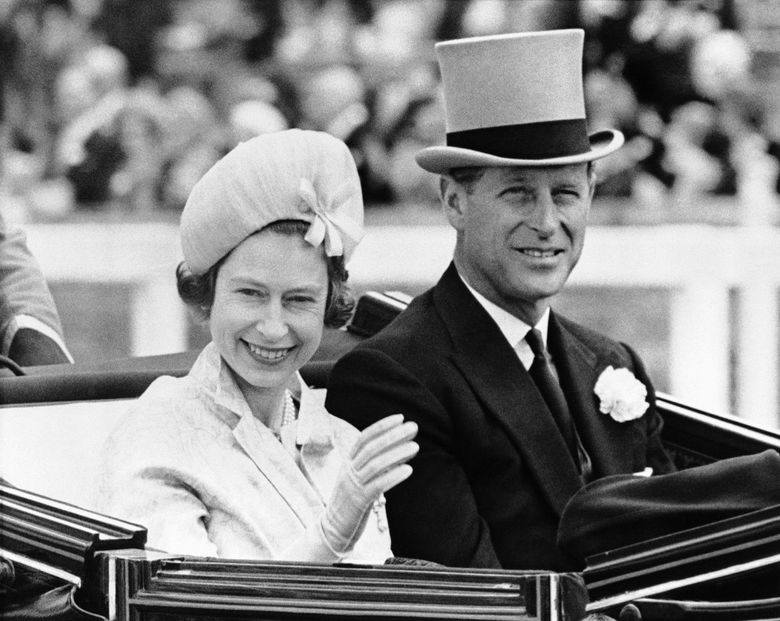
They reflected a marriage that endured wars, scandals, political upheaval, and relentless public scrutiny, yet remained rooted in mutual respect and devotion.
Philip never sought poetic fame for himself, never crafted sentimental farewells, preferring honesty over performance, and sincerity over spectacle.
In his final hours, he did not speak of monuments, medals, or personal glory, but of the woman who had walked beside him since 1947.
Queen Elizabeth, steadfast and composed before the world, had relied on him as confidant, challenger, supporter, and unwavering emotional foundation.
Behind palace doors, he was not merely a consort, but a partner who steadied her when duty threatened to overwhelm the human heart.
That final request revealed everything about his priorities, stripping away rank and protocol, leaving only love, concern, and protective instinct.
The following morning, he passed peacefully in his sleep, without drama, without ceremony, without witnesses except time itself.
Elizabeth was not beside him in that moment, a quiet irony after more than seven decades rarely spent apart.
Yet distance did not diminish connection, for his last conscious thought had already traveled to her, wrapped in care and responsibility.
Across Britain, across America, across generations, people paused, reflecting on what such devotion truly looks like in real life.
It is not always grand gestures or perfect words, but small promises, whispered late, meant to guard someone after you are gone.
For couples who have weathered life’s disappointments and triumphs, Philip’s final message resonates like a familiar, aching truth.
Love, at its deepest, is not about being remembered, but about ensuring someone else feels safe when you are no longer there.
Many who grew up watching this royal partnership saw in it echoes of their own marriages, sacrifices, and shared endurance.
They recognized the silent language of long companionship, where loyalty becomes instinct and concern becomes second nature.
Philip’s farewell was not written in marble or broadcast with fanfare, but carried quietly in a promise between father and son.
It reminds us that legacies are often built not through speeches, but through how we care for those who remain.
And in that final act of devotion, Prince Philip offered the world a lasting lesson in love, humility, and the power of putting someone else first.