Royal life is built on composure. Smiles are measured. Emotions are managed. Tears, especially public ones, are quietly discouraged.
That is why it matters that Princess Catherine has cried publicly only three times.
Each moment was rare. Each moment was human. And each revealed something deeper than protocol ever could.
The first time happened away from cameras, yet its impact echoed loudly through royal history.
It was just before Prince Harry and Meghan Markle’s wedding, during a disagreement over Princess Charlotte’s flower girl dress.
What should have been a minor detail became emotional. Catherine, newly postpartum, wanted everything perfect for her young daughter.
Meghan disagreed. Words were exchanged. Emotions rose. And both women cried.
But what followed defined Catherine’s character.

She chose peace over pride. She apologized first, placing the monarchy above her own hurt.
It was a quiet act of restraint, one that insiders say earned her deep respect behind palace walls.
The second time the world saw her tears, there was no disagreement, no misunderstanding, no resolution to seek.
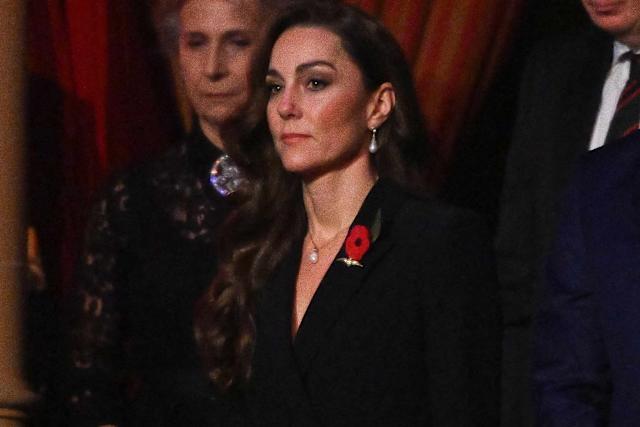
It was the funeral of Queen Elizabeth II.
As Britain mourned its longest-reigning monarch, Catherine stood composed, yet visibly grieving.
Her eyes were swollen. Her lips trembled. The tears were controlled, but unmistakable.
She was not only mourning a queen. She was mourning a protector.
Elizabeth had quietly guided Catherine through years of scrutiny, pressure, and transition into royal life.
That loss was deeply personal. And for once, Catherine did not hide it.
The nation saw a future queen who was, at that moment, simply a woman grieving someone who had stood beside her in silence.
The third time Catherine nearly cried was the most powerful of all.
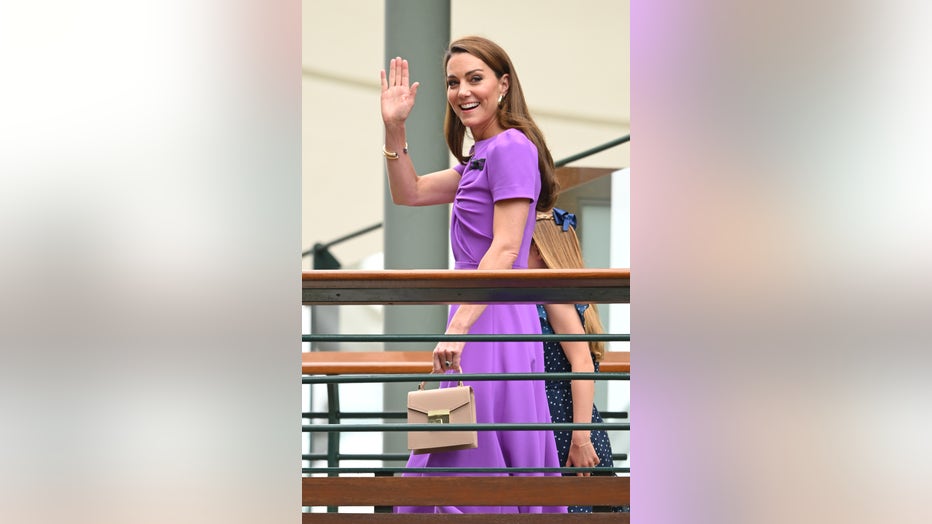
It happened in 2024, at Wimbledon.
Months earlier, she had revealed her cancer diagnosis, stepping away from public life to focus on treatment and recovery.
When she appeared in the Royal Box that day, the reaction was immediate.
The entire stadium stood.
They did not rise for a title. They did not rise for tradition.
They rose for courage.
Applause filled the air, rolling across the stands, unplanned and overwhelming.
Catherine’s face tightened. Her eyes glistened. She paused, visibly fighting back tears.
In that moment, she was not a princess performing strength.
She was a woman receiving it.
The crowd was not honoring royalty. They were honoring resilience.
For many watching, that moment felt historic.
It shattered the idea that strength requires emotional distance.
Instead, it showed that vulnerability, when honest, can be a form of leadership.
Across these three moments, a pattern emerges.
Catherine does not cry for attention. She does not use emotion as currency.
When she does allow it to surface, it is because the moment demands truth, not performance.
As a mother, she chose harmony.
As a daughter-in-law, she chose honesty.
As a woman facing illness, she chose courage without pretense.

That is why her tears resonate so deeply, especially with an older generation who understand endurance, sacrifice, and quiet strength.
They see a reflection of their own lives.
Moments when composure breaks not from weakness, but from love.
Catherine’s tears do not diminish her image. They refine it.
They remind the world that the monarchy’s future rests not only on tradition, but on humanity.
And perhaps that is why, when she does cry, the world feels it.
Because it knows how rare those moments truly are.