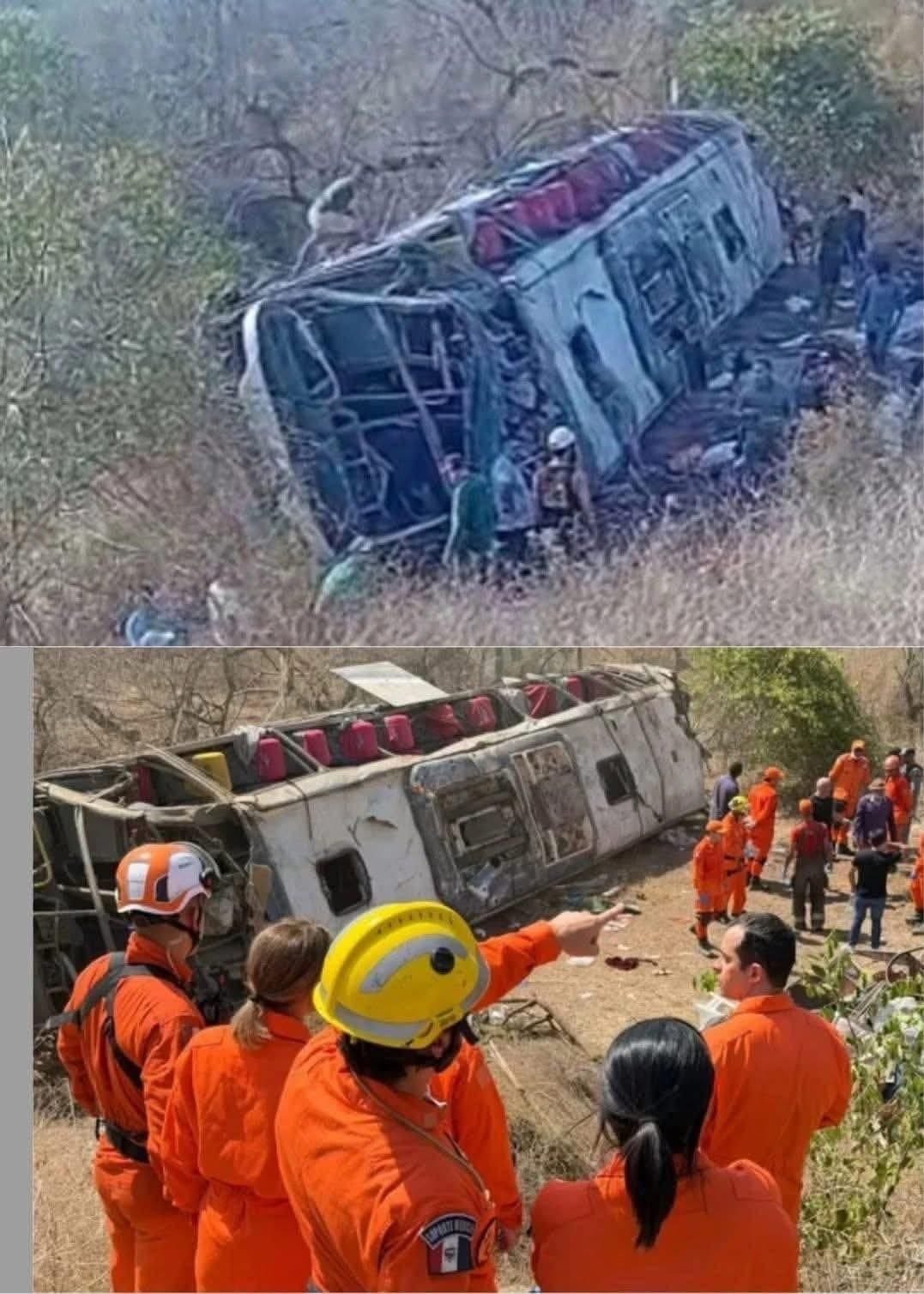
When a bus accident occurs, the immediate focus is on urgency—sirens, responders, and the rapid coordination of help. But beyond the visible chaos lies a structured response system and a series of underlying factors that often explain how such incidents happen in the first place.
Understanding what unfolds at these scenes—and why—offers more than just a snapshot of an emergency. It reveals critical lessons about road safety, human behavior, and the systems designed to prevent such events.
The First Moments: Organized Response Under Pressure
The initial response to a bus accident is highly coordinated. Emergency services are typically dispatched within minutes, with clear roles assigned to each team.
First responders prioritize:
- Securing the area to prevent further collisions
- Assessing injuries and providing immediate medical care
- Managing traffic to allow safe access for emergency vehicles
Despite the apparent urgency, these actions follow established protocols. The goal is not only to respond quickly but to maintain control in an unpredictable environment.
In large-scale incidents involving buses, coordination becomes even more critical due to the number of passengers involved.
Common Causes Behind Bus Accidents
While each accident has unique circumstances, certain factors appear repeatedly across investigations.
Driver fatigue is one of the most significant. Long hours, irregular schedules, and pressure to maintain routes can reduce alertness and reaction time. Even a brief lapse in attention can have serious consequences when operating a large vehicle.
Road conditions also play a role. Wet surfaces, poor visibility, or unexpected obstacles can challenge even experienced drivers.
Mechanical issues, though less common, are another factor. Brake failures, tire problems, or maintenance oversights can contribute to loss of control.
In many cases, accidents are not caused by a single issue—but by a combination of factors that align at the wrong moment.
The Complexity of Rescue Operations
Bus accidents often require more than standard emergency response.
Due to the size of the vehicle and the number of occupants, rescue operations can involve:
- Specialized equipment to access damaged sections
- Coordination between multiple emergency units
- Careful extraction procedures to avoid further injury
Medical teams must quickly assess varying levels of injury, from minor to critical, while ensuring that those most in need receive immediate attention.
At the same time, responders must remain aware of additional risks—such as fuel leaks or unstable structures—that could complicate the situation.
The Role of Infrastructure and Planning
Road design and infrastructure can influence both the likelihood and severity of accidents.
Well-maintained roads, clear signage, and properly designed intersections reduce the chances of collisions. Conversely, poorly maintained infrastructure can increase risk, especially for larger vehicles that require more space and longer stopping distances.
Traffic management systems also play a role. Efficient flow reduces sudden stops and unpredictable movements, which are common contributors to accidents.
Lessons That Extend Beyond the Incident
Each accident becomes a source of data. Investigations examine not only what happened, but why—and how similar incidents can be prevented.
This leads to improvements such as:
- Enhanced driver training programs
- Stricter maintenance regulations
- Updated safety technologies in vehicles
These changes are often gradual, but they contribute to long-term improvements in road safety.
The Human Factor in Road Safety
Technology and infrastructure are important, but human behavior remains central.
Driver awareness, adherence to safety protocols, and decision-making under pressure all influence outcomes on the road. For passengers, simple actions—such as wearing seat belts where available or following safety instructions—can also make a difference.
Safety is not determined by a single factor. It is the result of multiple elements working together—or failing to do so.
Why Prevention Matters More Than Response
Emergency response systems are designed to manage accidents effectively, but their existence also highlights a key point: prevention is always preferable to reaction.
Reducing risk before an incident occurs saves lives, resources, and long-term consequences.
This is why ongoing improvements in training, technology, and infrastructure remain essential. They address the root causes rather than just the outcomes.
A Broader Perspective on Safety
Bus accidents, while relatively rare compared to overall traffic volume, have a significant impact due to the number of people involved.
They serve as reminders that road safety is a shared responsibility—one that involves drivers, passengers, authorities, and planners alike.
By understanding what happens during these incidents and the factors behind them, it becomes easier to recognize how small decisions and systemic improvements can reduce risk.
Because in the end, safety on the road is not defined by a single moment.
It is shaped by everything that happens before it.