It’s one of those topics that instantly makes you pause.
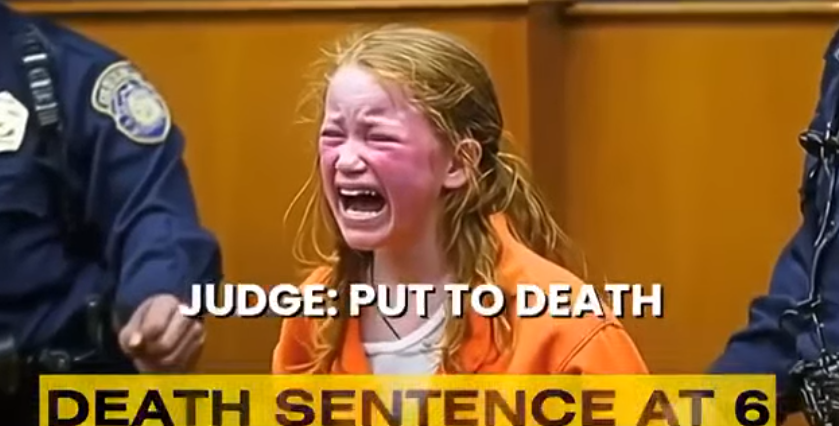
We tend to think of the death penalty as something reserved for the worst of the worst—hardened criminals, people far removed from innocence. But history tells a darker, more uncomfortable story. There have been cases where the people facing execution weren’t adults at all… they were children.
Yes, children.
Across different periods and countries, minors—some shockingly young—have been sentenced to death. And while laws have evolved over time, these stories still raise chilling questions about justice, morality, and how society defines responsibility.
Take one of the most widely discussed cases: George Stinney Jr., a 14-year-old boy executed in the United States in 1944. He was accused of murdering two young girls. The trial lasted just a few hours, the jury deliberated for only minutes, and Stinney was sentenced to death. He was so small that he reportedly needed to sit on a Bible to fit properly in the electric chair.
Decades later, his conviction was overturned. The court ruled that he had not received a fair trial.
Then there’s the case of James Arcene, believed to be the youngest person ever executed in U.S. history. He was just 10 years old when he was sentenced in the late 19th century. While records from that time are limited, the fact that a child that young could even face such punishment is enough to send chills down your spine.
And it wasn’t just the past.
In more recent history, countries like Iran have faced international criticism for sentencing juvenile offenders to death. Although global pressure has pushed for reforms, reports have surfaced over the years of individuals being executed for crimes committed when they were under 18.
So how was this ever allowed?
For much of history, children were not always viewed the way they are today. The legal system often treated them as “miniature adults,” especially in serious criminal cases. The idea of adolescence as a protected stage of life is relatively modern. Back then, if you were deemed capable of understanding your actions, you could be held fully accountable—no matter your age.
But science tells a different story.
Modern psychology shows that the human brain, especially areas responsible for decision-making and impulse control, continues developing well into a person’s mid-20s. This has become a major argument against sentencing minors to death, as their capacity for judgment is not fully formed.
Because of this growing understanding, many countries have abolished the death penalty for juveniles entirely. In fact, in 2005, the United States officially banned the execution of individuals for crimes committed under the age of 18.
Still, these cases remain a haunting reminder.
They force us to confront uncomfortable truths about justice systems, past and present. Were these punishments ever truly fair? Or were they the result of fear, bias, and a lack of understanding?
One thing is certain: once you learn how young some of these individuals were, it’s impossible to forget.
And it leaves you wondering… how different would their stories have been if they had been given a second chance?