PART4
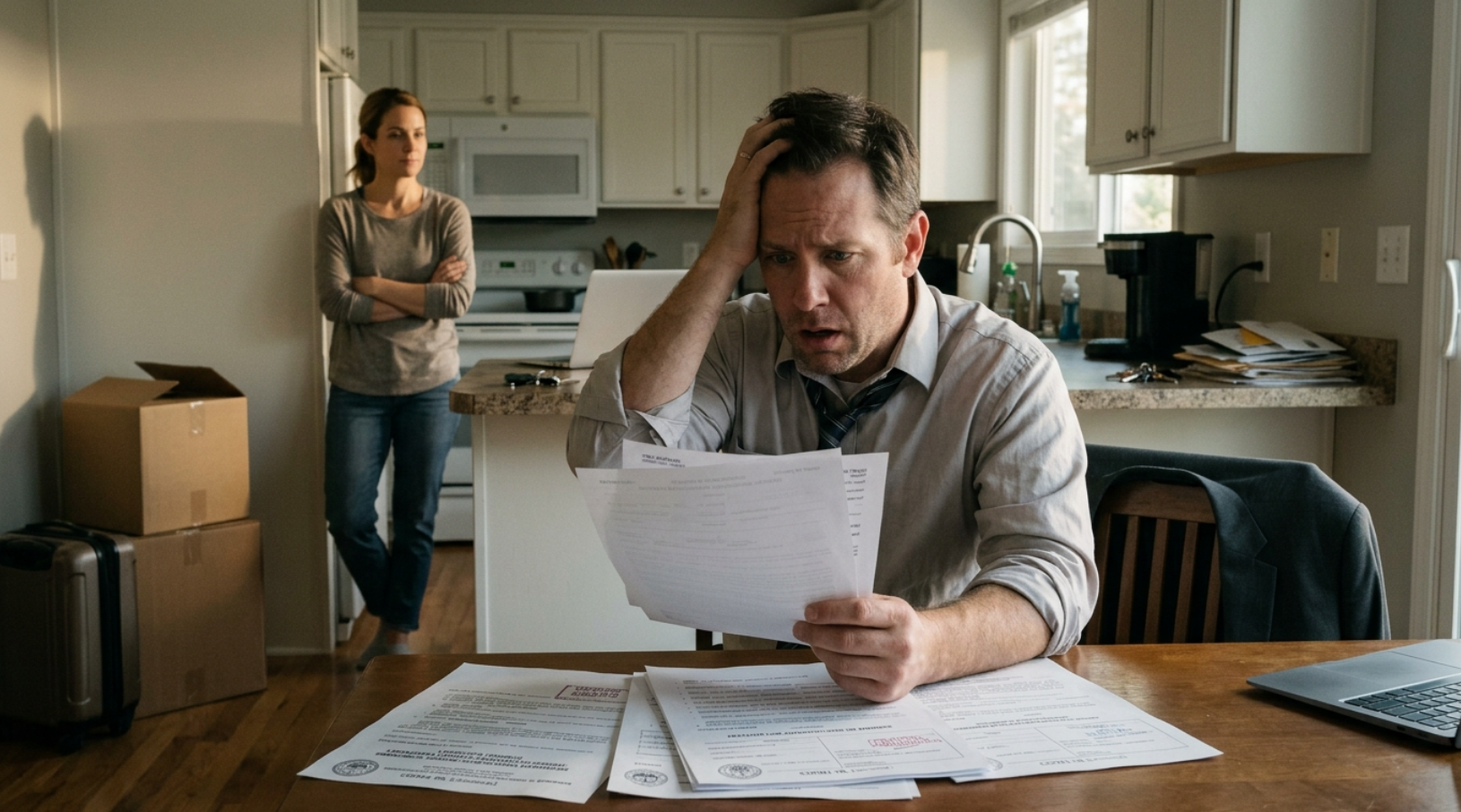
Travis pulled out a chair and sat across from me.
“Listen, June. I don’t know what you’ve been telling people, but you’ve created a mess. The bank is asking questions, and someone from an attorney’s office contacted me.”
“My attorney.”
He stared at me.
“You hired a lawyer?”
“Yes.”
“For what?”
I looked directly at him.
“To understand my rights and protect myself.”
He gave a short, disbelieving laugh.
“Protect yourself from what? Your husband?”
“From being left without access to money, without financial information, and without any explanation of what happened to our savings.”
“You’re acting like I stole something.”
“I haven’t accused you of anything. I’ve asked for records.”
“You know exactly where the money went.”
“No, Travis. I don’t.”
He leaned back and crossed his arms.
“It’s in my account. I earned it. I moved it where it needed to go.”
“And the money from our joint account?”
“Household expenses. Investments. Things you wouldn’t understand.”
I opened the folder.
“Then explaining them should be easy.”
I slid a copy of the account closure confirmation across the table.
He glanced at it.
Then I placed a second document beside it.
The email about separating household assets.
For the first time since he had entered the kitchen, he stopped speaking.
I watched his eyes move across the page.
When he reached the sentence about keeping financial information from me, his expression changed.
“Where did you get this?”
“It was in the email account we used for household correspondence.”
“You went through my emails?”
“I found a message you sent. I preserved it and gave it to my attorney.”
He pushed the page away.
“That conversation was private.”
“I haven’t published it or sent it to anyone who doesn’t need it for the legal matter. My attorney is reviewing it.”
“You had no right—”
“Travis.”
My voice was quiet.
He stopped.
For nine years, I had watched him grow louder whenever he wanted to win an argument.
I had learned to speak more softly, hoping he would eventually calm down.
This time, I wasn’t trying to calm him.
I was trying to make myself heard.
“You told someone you needed everything organized before I started asking questions. What questions were you afraid I’d ask?”
He stood so abruptly that his chair scraped across the floor.
“You’re twisting everything!”
“Then explain it.”
“I don’t have to explain every financial decision I make to you!”
“Perhaps not every decision. But you closed our joint account, transferred money without giving me an accounting, and removed my access. We need to determine what happened and what each of us is legally entitled to.”
His face reddened.
Then he said something that revealed more than he intended.
“You were never supposed to find out about the second account.”
The kitchen went silent.
I felt my fingers tighten around the coffee mug.
“The second account?”
Travis’s expression shifted.
He had spoken too quickly.
“What second account?” I asked.
He grabbed the folder and shoved it toward me.
“I’m done with this conversation.”
“Travis, what second account?”
He turned toward the hallway.
I didn’t follow him.
I didn’t shout.
I simply picked up my phone and sent my attorney a brief message.
He mentioned a second account that I didn’t know about. Please include it in the financial information request.
Then I heard the bedroom door slam.
I remained at the kitchen table for another ten minutes.
Outside, the wind moved through the oak branches, scattering dry leaves across the gravel.
I had spent years believing the worst thing my husband could do was leave me without money.
Now I understood that the money might only be one piece of something much larger.
And I intended to find out what the rest of it was.
The next morning, Travis acted as though nothing had happened.
He came into the kitchen wearing clean jeans and a faded fishing shirt. He poured coffee, opened the refrigerator, and asked whether I had bought more eggs.
I looked at him.
“Yes.”
“Good. I’ll make breakfast.”
For a moment, the ordinary exchange almost fooled me.
Then he placed a plate on the table and sat down.
“About yesterday,” he began, “we both said things we didn’t mean.”
“I said very little.”
He ignored that.
“I’ve been under pressure. Offshore work isn’t easy, June. You know that.”
“I know.”
“I’m responsible for our future. I need to make sure we’re financially secure.”
I waited.
He stirred his coffee.
“The money is safe. That’s what matters.”
“Where is it?”
“Investments.”
“Which investments?”
He put down his spoon.
“Why are you doing this?”
“Because I need to know what happened to our savings.”
He stared at me for several seconds before pushing his plate away.
“You’re making a mistake.”
I had heard those words before.
Whenever I wanted to replace something he considered unnecessary, he told me I was making a mistake.
Whenever I suggested a vacation, he reminded me how expensive it would be.
Whenever I asked about our retirement savings, he said I worried too much.
Now he was using the same words because I wanted to know where our money had gone.
“Maybe,” I replied. “But I would rather make an informed decision than trust someone who refuses to show me the records.”
He left the table without finishing breakfast.
I heard him talking on the phone in the workshop later that morning. The door was closed, but the windows were open.
I wasn’t trying to listen.
Then I heard my name.
“She doesn’t know anything about the property,” he said.
I froze in the hallway.
A pause followed.
“No, the deed is in her name. That doesn’t mean I have no claim to anything.”
Another pause.
“Look, I paid for plenty of things around here. The roof, the repairs, the equipment. If we sell, I want my share.”
My heart began to beat faster.
Sell?
He continued speaking, but his voice dropped too low for me to hear.
I walked away before he could discover me standing there.
That afternoon, I called Ms. Landry.
I told her what I had overheard.
She was careful with her response.
“Don’t assume he can force a sale, and don’t assume he has no potential claim at all. Louisiana law distinguishes separate property from community property, and money spent during a marriage can raise questions about reimbursement or other financial claims. We need to examine the actual records.”
“So he might try to take the house?”
“He might make a claim. Whether it succeeds is a separate question. For now, don’t sign anything, don’t agree to sell anything, and don’t let him pressure you into a private settlement. I’ll advise you on the appropriate legal steps.”
After the call, I walked through the house.
The hallway still had the pencil marks where Daddy had measured my height as I grew.
The kitchen cabinets were the same ones he had installed himself.
The workshop smelled faintly of cedar and motor oil.
Travis had lived here for nine years, but the house had been part of my life long before I met him.
Every wall held a memory.
Every oak tree reminded me of my father.
And now my husband was talking about selling it.
I returned to the workshop and opened the filing cabinet.
This time, I wasn’t looking for the deed.
I was looking for receipts.
I found the invoice for the roof Travis had mentioned. It showed that the work had been completed six years earlier, after a hurricane damaged several shingles and sent water into the attic.


One Comment on “PART4: My Husband Removed Me From Our Bank Accounts and Said He Controlled the Money—17 Days Later, He Discovered I Could Stand on My Own”